

The workplace has never evolved as quickly as it is right now, and 2026 is shaping up to be a year defined by adaptability, wellbeing and a welcome dash of personality. As businesses continue to balance hybrid working with the need for meaningful in-person collaboration, the design of the office itself is becoming a strategic tool — not just a backdrop. Here’s what designers, manufacturers and early adopters say will matter most.
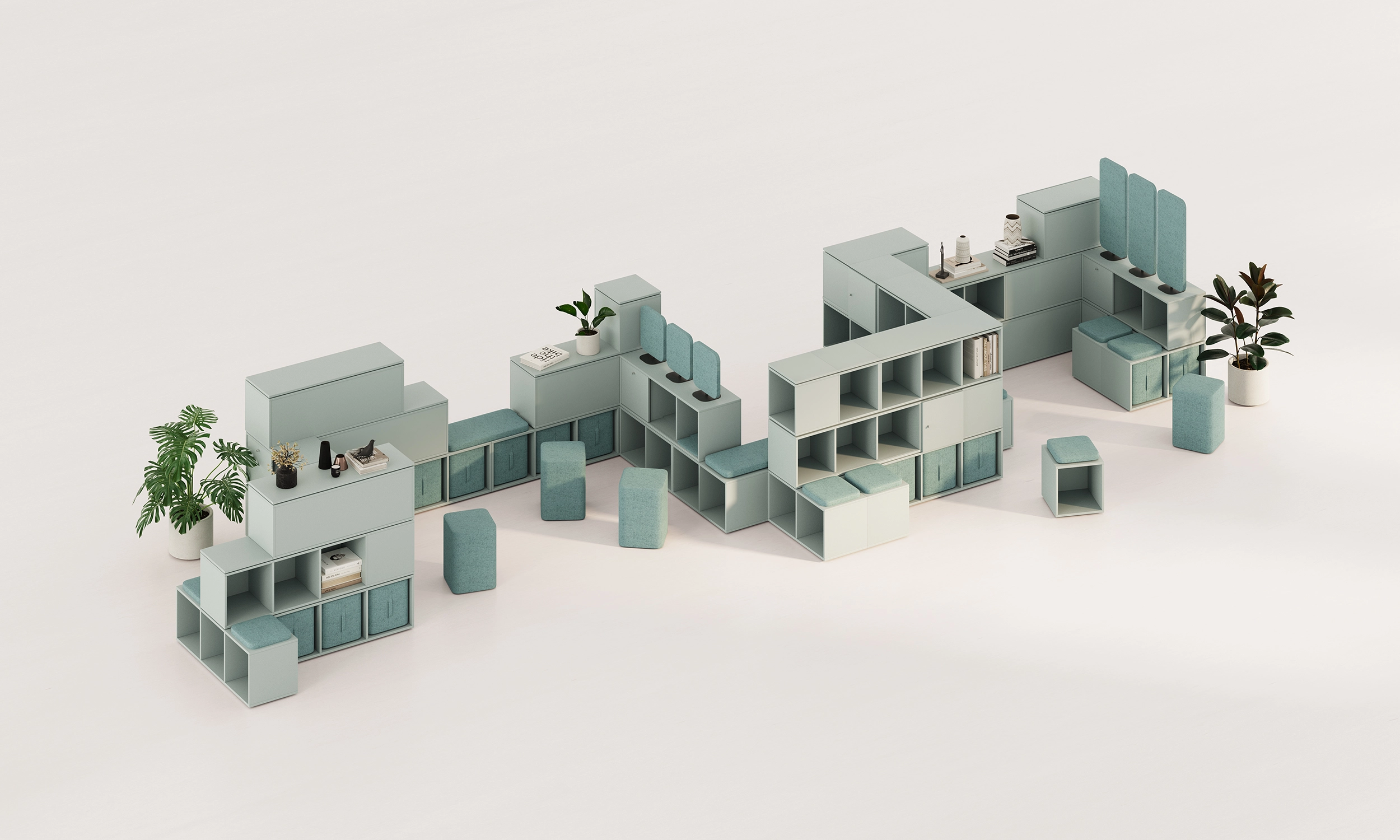
1. Modular Workspaces That Shape-Shift
Static layouts are giving way to tools that bend, roll, slide and reconfigure on demand. Modular furniture, mobile partitions and plug-and-play zones let teams transform a space in minutes without the cost or disruption of traditional construction. With companies scaling quickly — or simply needing different modes in the same footprint — flexibility has become the new efficiency.
2. Biophilia as a Performance Driver
Natural materials, planting and daylight aren’t decorative extras anymore; they’re a proven means of reducing stress, improving focus and increasing retention. In 2026, biophilia becomes systemic rather than ornamental: plants doubling as acoustic barriers, façades designed to maximise daylight, and organic textures creating calmer, healthier environments that top talent actively seek out.
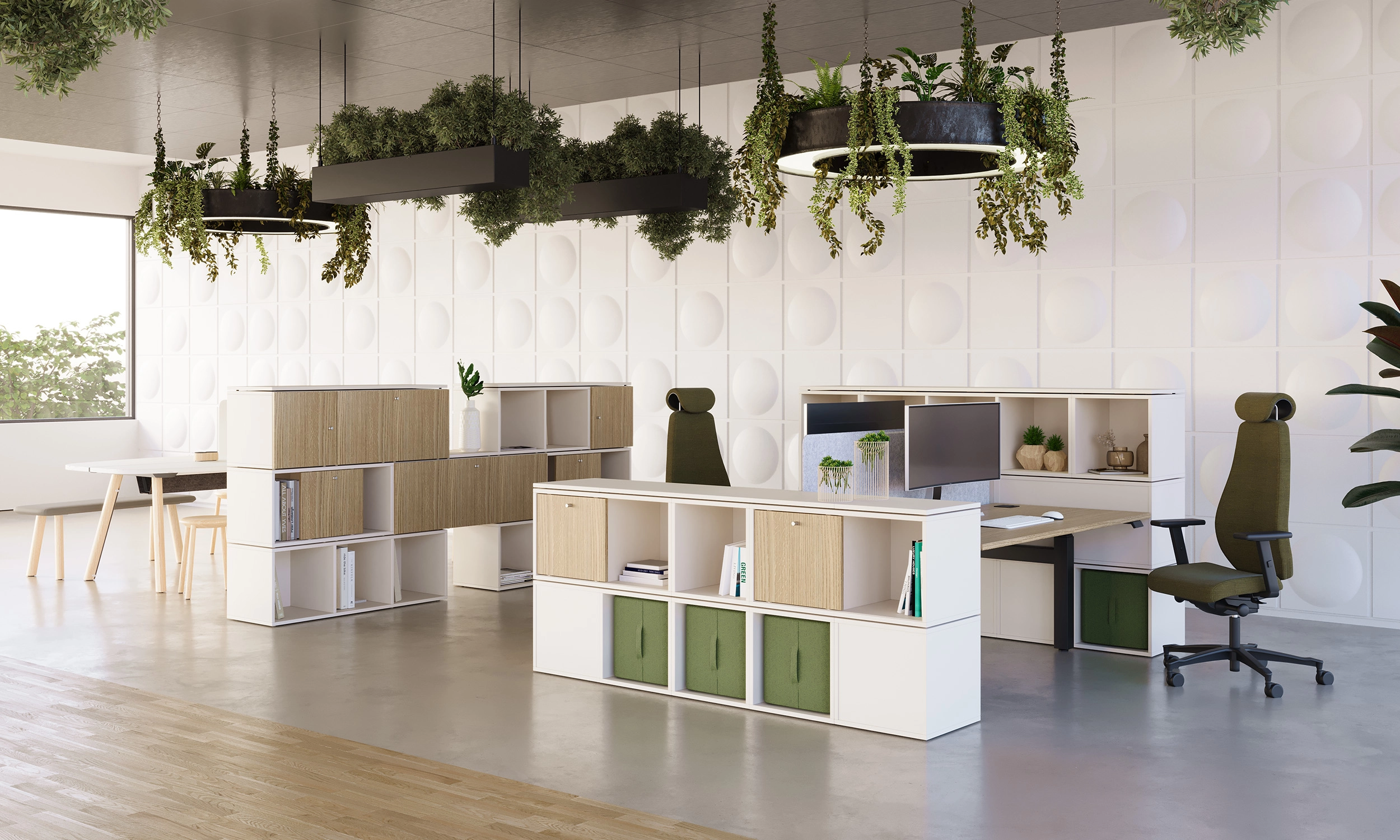
3. Smart + Acoustic Design for Hybrid Collaboration
Hybrid isn’t going anywhere, so offices are doubling down on integrated tech paired with better sound control. Expect more intuitive AV setups, occupancy sensors, room-booking tools and immersive screens — all backed by acoustic pods, baffles and fabrics that make open-plan spaces actually usable. Tech moves the meeting forward; acoustics keep everyone comfortable.
(Bonus Insight)
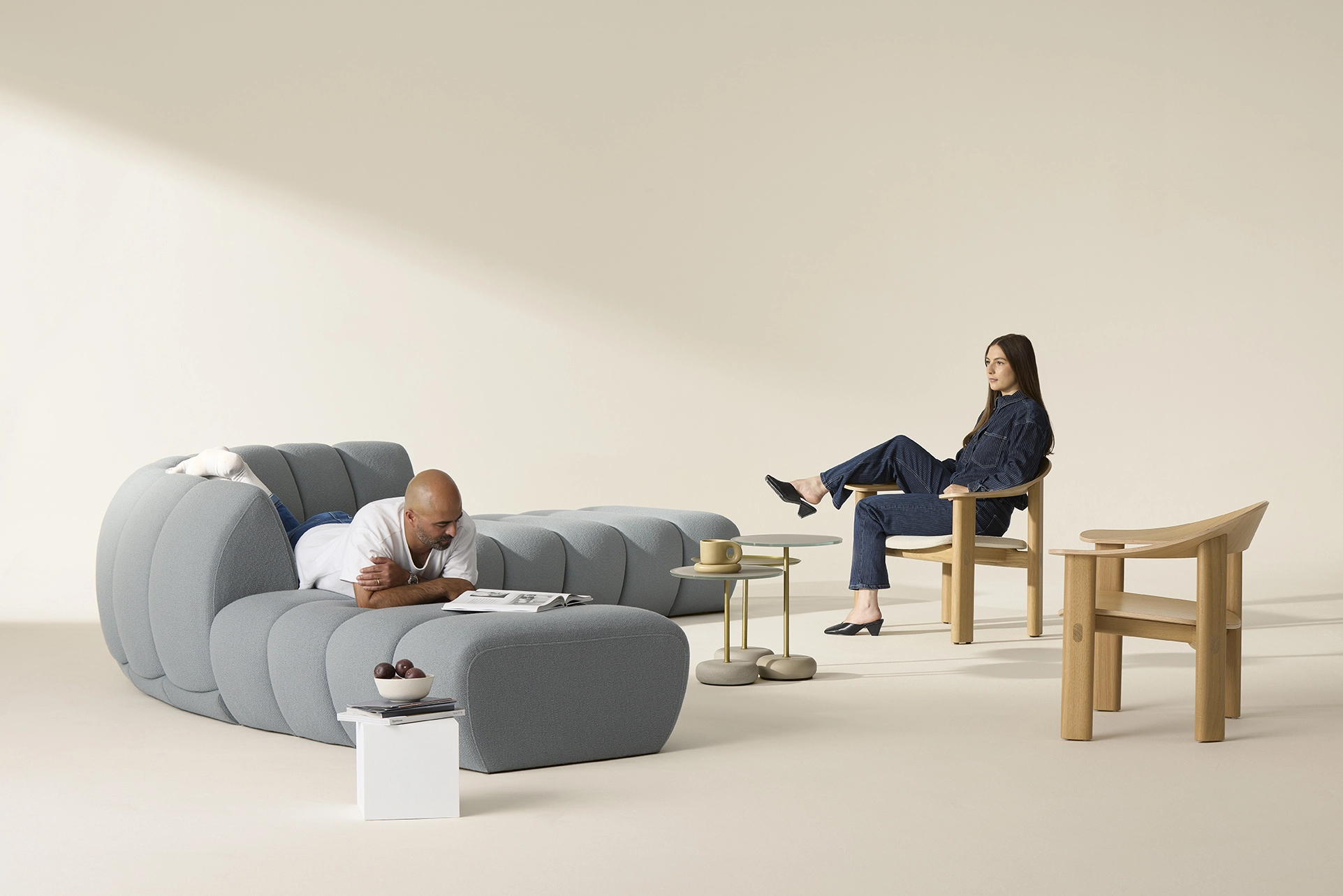
Alongside the practical trends, 2026 brings a flourish of fun. Rounded desks, richer colours and softer textures continue the rise of “resimercial” styling, giving offices a warmer, more human feel. Curves blur hierarchy, encourage eye contact and signal that the workplace can be both productive and welcoming.
The workplace has never evolved as quickly as it is right now, and 2026 is shaping up to be a year defined by adaptability, wellbeing and a welcome dash of personality. As businesses continue to balance hybrid working with the need for meaningful in-person collaboration, the design of the office itself is becoming a strategic tool — not just a backdrop. Here’s what designers, manufacturers and early adopters say will matter most.
1. Modular Workspaces That Shape-Shift
Static layouts are giving way to tools that bend, roll, slide and reconfigure on demand. Modular furniture, mobile partitions and plug-and-play zones let teams transform a space in minutes without the cost or disruption of traditional construction. With companies scaling quickly — or simply needing different modes in the same footprint — flexibility has become the new efficiency.
2. Biophilia as a Performance Driver
Natural materials, planting and daylight aren’t decorative extras anymore; they’re a proven means of reducing stress, improving focus and increasing retention. In 2026, biophilia becomes systemic rather than ornamental: plants doubling as acoustic barriers, façades designed to maximise daylight, and organic textures creating calmer, healthier environments that top talent actively seek out.
3. Smart + Acoustic Design for Hybrid Collaboration
Hybrid isn’t going anywhere, so offices are doubling down on integrated tech paired with better sound control. Expect more intuitive AV setups, occupancy sensors, room-booking tools and immersive screens — all backed by acoustic pods, baffles and fabrics that make open-plan spaces actually usable. Tech moves the meeting forward; acoustics keep everyone comfortable.
(Bonus Insight)
Alongside the practical trends, 2026 brings a flourish of fun. Rounded desks, richer colours and softer textures continue the rise of “resimercial” styling, giving offices a warmer, more human feel. Curves blur hierarchy, encourage eye contact and signal that the workplace can be both productive and welcoming.
