0 €0.00
products in your basketto quote Checkout
Ooops no items were found.
Try something else.
Ok
Loading…

How Is Your Energy at Work?

2 min
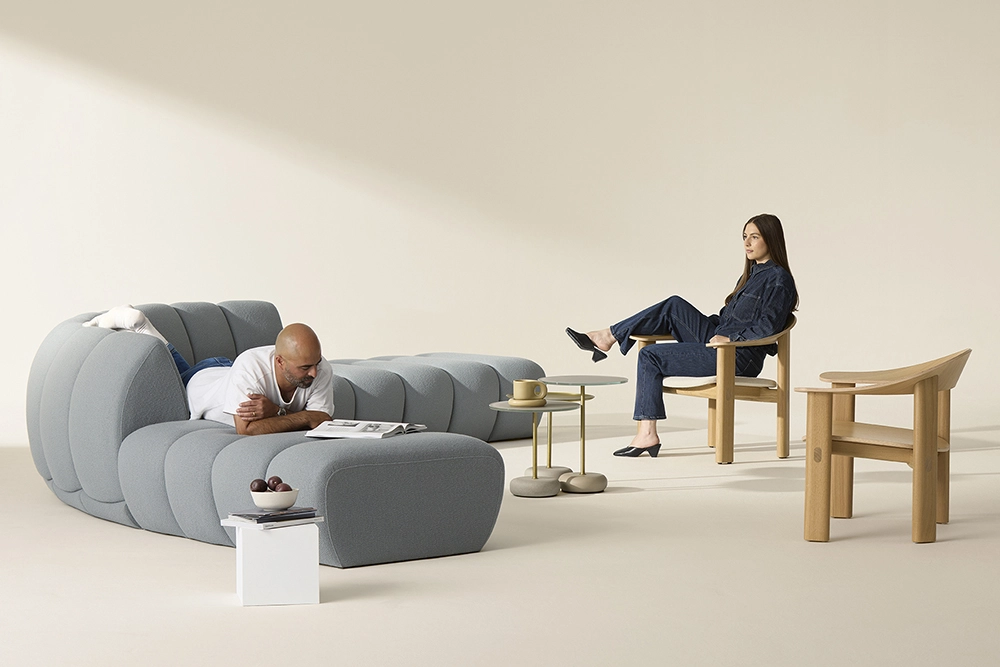
soft seating in a sparse, but well-lit room. a man lies on the sofa reading a magazine, while a woman sits in a curved wooden lounge chair looking at the nest of coffee tables in front of her.

Workplaces carry a lot of energy.

The pace of modern life can feel relentless. Even in well-run organisations, deadlines, meetings, screens, notifications can be overwhelming. Not to mention what is happening in the outside world. So while offices are designed primarily for productivity, they also have the potential to support something equally important: wellbeing.

Breakout and relaxation areas are often viewed as secondary spaces. In reality, they can be some of the most strategically valuable parts of a workplace.

When designed intentionally, these areas:

  • Provide a change of posture and environment
  • Support short mental resets between tasks
  • Create moments of calm within the working day
  • Reduce pressure on formal meeting rooms
  • Encourage informal connection between teams

The key is in the furniture specification.
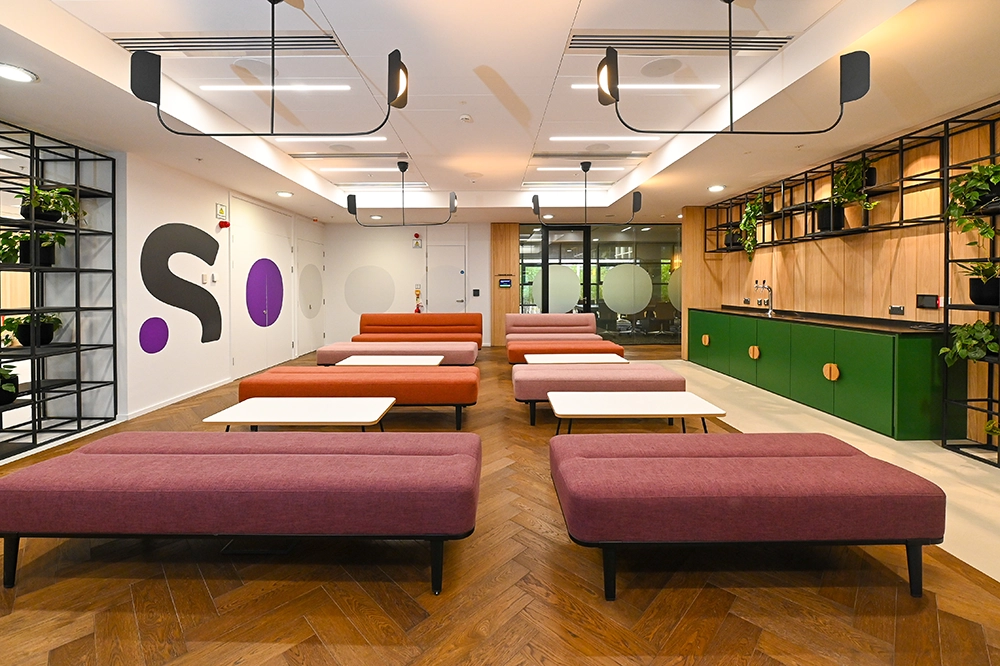
 
soft seating area in a recent project by OfficeMaster
 

Soft seating with supportive upholstery can encourage decompression without feeling informal to the point of distraction. High-backed lounge chairs can offer a sense of privacy in open environments. Modular sofas allow teams to gather organically. Coffee-height tables create low-pressure collaboration zones. Acoustic screens or planter dividers help soften noise and subtly separate space. Even the choice of textures, materials and colours can influence how restorative a space feels.

For employees, these environments can improve comfort, focus and overall wellbeing. A short reset in a thoughtfully designed breakout space can lead to sharper thinking and better engagement when returning to their desks.

For organisations, the benefits are tangible. Improved morale, stronger collaboration, more efficient use of space and reduced strain on primary workstations all contribute to long-term value. In some cases, well-designed breakout areas can even reduce the need for additional enclosed rooms by supporting informal interaction elsewhere.

A workplace does not need to be loud or high-impact to be effective. Sometimes its greatest strength lies in its ability to offer balance.

Do you view breakout spaces as a “nice addition” or can you see them as a core part of a workplace strategy?
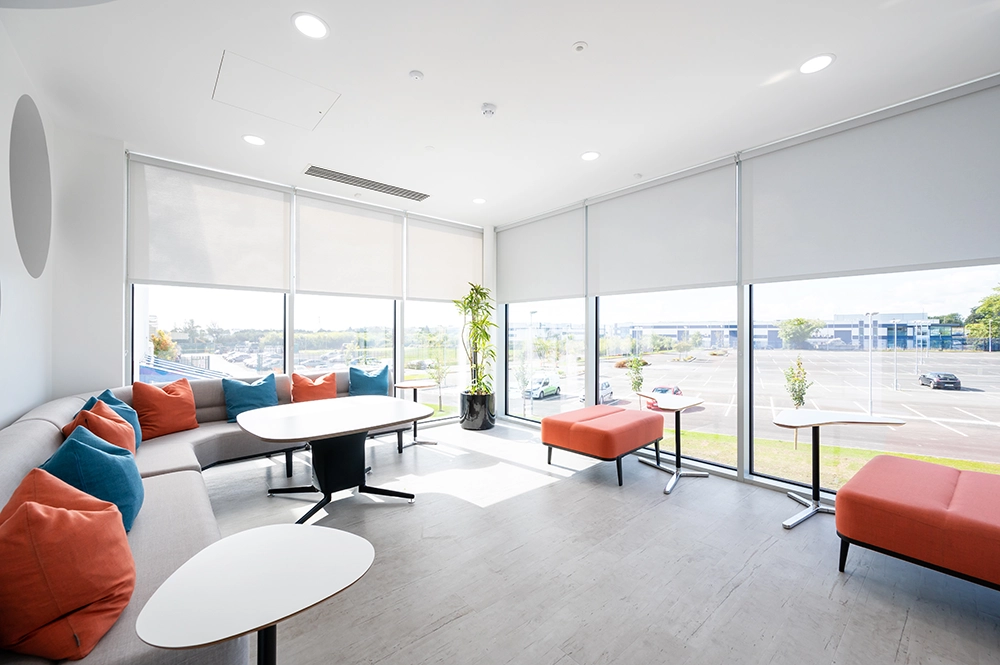
soft seating area with coffee and laptop tables in a well-lit room, with floor to ceiling windows, looking out at a green area and car aprk outside

2 min

How Is Your Energy at Work?

Breakout spaces are often seen as a design extra — something that’s nice to include if space and budget allow. But when thoughtfully planned, they can play a far more strategic role in supporting wellbeing, engagement and sustainable performance at work.
2 min

What Does “Well-Made” Mean to You?

In design conversations, “well-made” often gets reduced to looks or brand reputation, but recent thinking from the design world challenges that. A curated exhibition on what it means to be well-made pushed beyond surface aesthetics to ask deeper questions about the objects we choose and how they fit into our lives and work.
1 min

3 Office Interior Trends to Watch in 2026

In 2026, offices will prioritize adaptability, wellbeing, and personality. Key trends include modular workspaces for flexibility, biophilic design to boost performance, and smart acoustic solutions for seamless hybrid collaboration. Expect warmer, "resimercial" styling with soft textures and rich colors, creating more welcoming and human-centered environments.
3 min

How a Thoughtfully-Designed Office Helps Teams Thrive Through Winter

Winter's short, dark days make a well-designed workspace essential for wellbeing. This post explores five key design elements to transform your office into a supportive environment. From biophilia and ergonomic furniture to movement zones, colour psychology, and cosy corners, create a space where your team feels motivated and cared for all winter long.
2 min

Microshifting: The New Work Trend That Could Reshaping How We Work

Is the nine-to-five workday quietly fading? A new rhythm of working life is emerging: one built on flexibility, autonomy, and trust. It’s called microshifting, and could it change how we think about the office? Microshifting is the practice of breaking your workday into short, flexible bursts rather than a single continuous block.

How Is Your Energy at Work?

2 min
soft seating in a sparse, but well-lit room. a man lies on the sofa reading a magazine, while a woman sits in a curved wooden lounge chair looking at the nest of coffee tables in front of her.

Workplaces carry a lot of energy.

The pace of modern life can feel relentless. Even in well-run organisations, deadlines, meetings, screens, notifications can be overwhelming. Not to mention what is happening in the outside world. So while offices are designed primarily for productivity, they also have the potential to support something equally important: wellbeing.

Breakout and relaxation areas are often viewed as secondary spaces. In reality, they can be some of the most strategically valuable parts of a workplace.

When designed intentionally, these areas:

  • Provide a change of posture and environment
  • Support short mental resets between tasks
  • Create moments of calm within the working day
  • Reduce pressure on formal meeting rooms
  • Encourage informal connection between teams

The key is in the furniture specification.

 
soft seating area in a recent project by OfficeMaster
 

Soft seating with supportive upholstery can encourage decompression without feeling informal to the point of distraction. High-backed lounge chairs can offer a sense of privacy in open environments. Modular sofas allow teams to gather organically. Coffee-height tables create low-pressure collaboration zones. Acoustic screens or planter dividers help soften noise and subtly separate space. Even the choice of textures, materials and colours can influence how restorative a space feels.

For employees, these environments can improve comfort, focus and overall wellbeing. A short reset in a thoughtfully designed breakout space can lead to sharper thinking and better engagement when returning to their desks.

For organisations, the benefits are tangible. Improved morale, stronger collaboration, more efficient use of space and reduced strain on primary workstations all contribute to long-term value. In some cases, well-designed breakout areas can even reduce the need for additional enclosed rooms by supporting informal interaction elsewhere.

A workplace does not need to be loud or high-impact to be effective. Sometimes its greatest strength lies in its ability to offer balance.

Do you view breakout spaces as a “nice addition” or can you see them as a core part of a workplace strategy?

soft seating area with coffee and laptop tables in a well-lit room, with floor to ceiling windows, looking out at a green area and car aprk outside

2 min

How Is Your Energy at Work?

Breakout spaces are often seen as a design extra — something that’s nice to include if space and budget allow. But when thoughtfully planned, they can play a far more strategic role in supporting wellbeing, engagement and sustainable performance at work.
2 min

What Does “Well-Made” Mean to You?

In design conversations, “well-made” often gets reduced to looks or brand reputation, but recent thinking from the design world challenges that. A curated exhibition on what it means to be well-made pushed beyond surface aesthetics to ask deeper questions about the objects we choose and how they fit into our lives and work.
1 min

3 Office Interior Trends to Watch in 2026

In 2026, offices will prioritize adaptability, wellbeing, and personality. Key trends include modular workspaces for flexibility, biophilic design to boost performance, and smart acoustic solutions for seamless hybrid collaboration. Expect warmer, "resimercial" styling with soft textures and rich colors, creating more welcoming and human-centered environments.
3 min

How a Thoughtfully-Designed Office Helps Teams Thrive Through Winter

Winter's short, dark days make a well-designed workspace essential for wellbeing. This post explores five key design elements to transform your office into a supportive environment. From biophilia and ergonomic furniture to movement zones, colour psychology, and cosy corners, create a space where your team feels motivated and cared for all winter long.
2 min

Microshifting: The New Work Trend That Could Reshaping How We Work

Is the nine-to-five workday quietly fading? A new rhythm of working life is emerging: one built on flexibility, autonomy, and trust. It’s called microshifting, and could it change how we think about the office? Microshifting is the practice of breaking your workday into short, flexible bursts rather than a single continuous block.
SEARCH ALL CATEGORIES ×