


Microshifting: The New Work Trend That Could Reshaping How We Work
Is the nine-to-five workday quietly fading? A new rhythm of working life is emerging: one built on flexibility, autonomy, and trust.
It’s called microshifting, and could it change how we think about the office?
What is Microshifting?
Microshifting is the practice of breaking your workday into short, flexible bursts rather than a single continuous block. Instead of eight hours in one sitting, a microshifter might work from 7–9am, take a break for school drop-off, return mid-afternoon for focused work, and finish a project later that evening.
In the latest Owl Labs State of Hybrid Work Report, 65% of office workers say they want greater flexibility in when they work — not just where. Some are even willing to take a pay cut to get it.
It’s about aligning work with life’s natural ebb and flow, even more than convenience.
Why This Matters for the Workplace
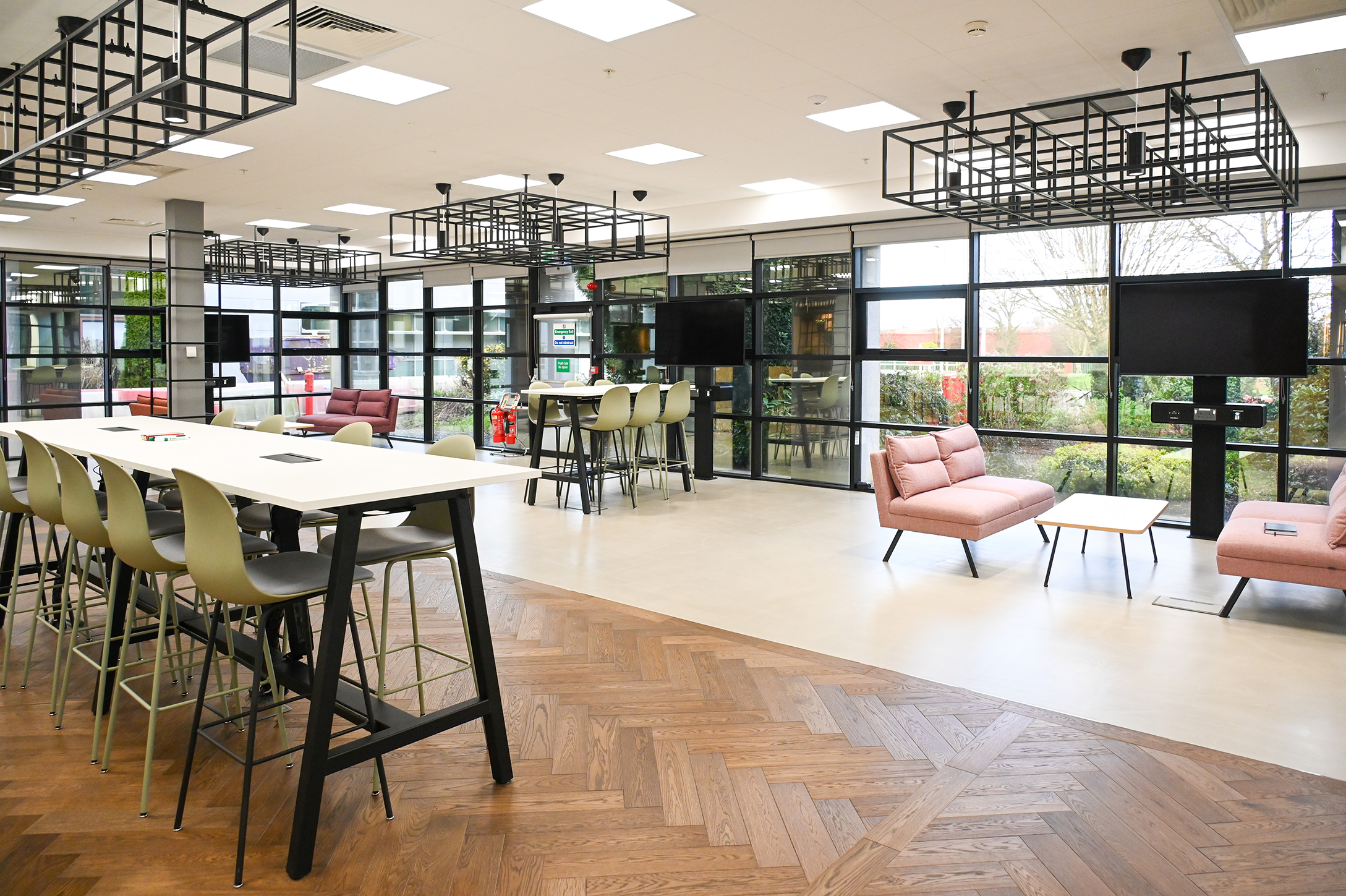
Microshifting represents the next evolution of hybrid work. Hybrid gave people location freedom; microshifting adds time freedom. That means the office must adapt to a new reality — one where occupancy fluctuates throughout the day, and employees come and go in waves rather than in unison.
The traditional layout of fixed desks and rigid schedules no longer fits. Offices now need to be flexible ecosystems that can scale up or down, supporting both bursts of collaboration and moments of solo focus.
How Office Design is Changing
Here’s how this trend will manifest in the spaces we create:
-
Dynamic Use of Space: Occupancy patterns become unpredictable, requiring modular layouts, movable partitions, and agile lighting systems that respond to real-time usage.
-
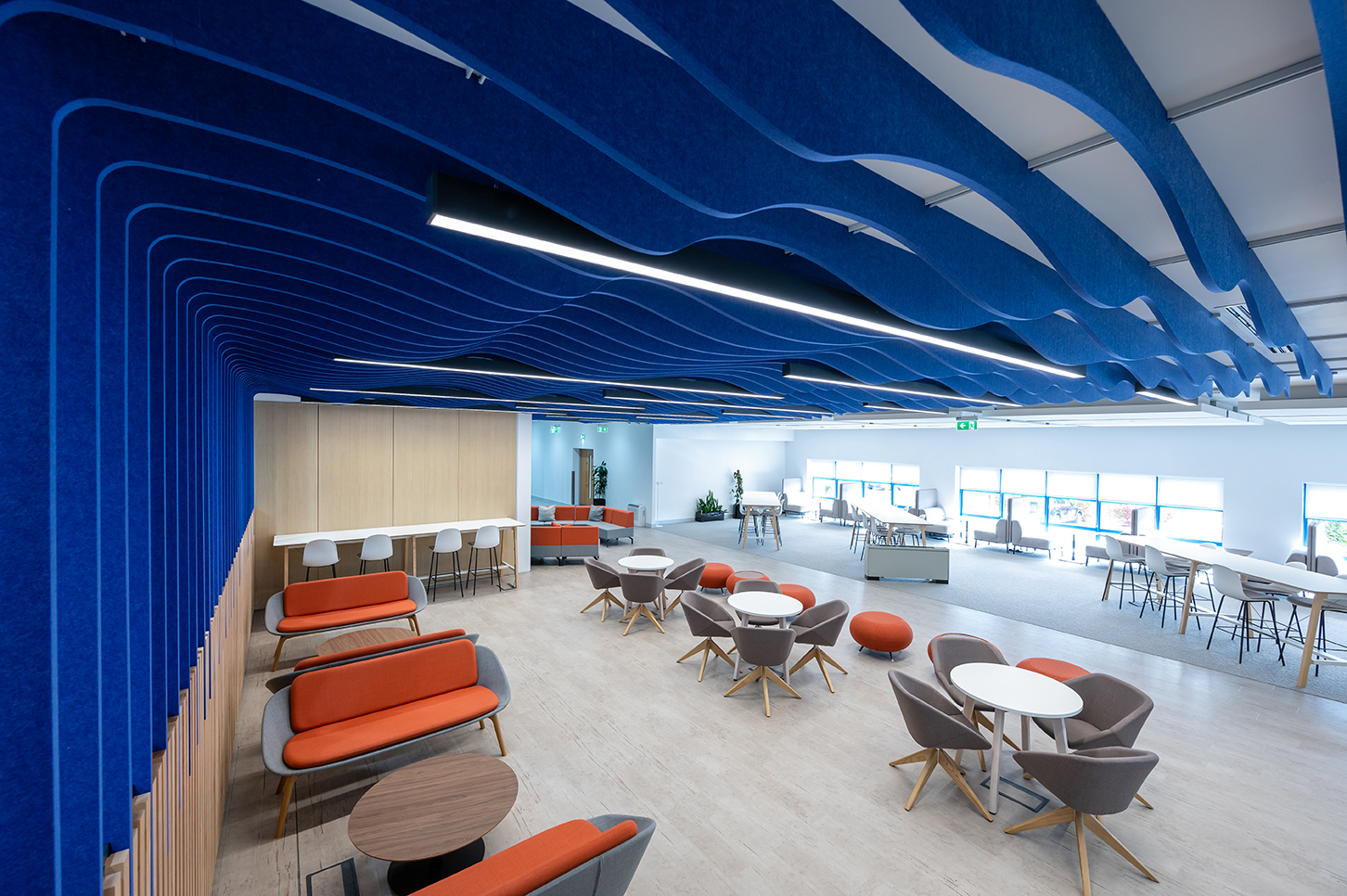
Focus Zones: Acoustic pods and privacy nooks allow people to dive deep for short bursts without distractions.
-
Micro-Break Areas: Recharge corners, soft seating, and natural light give workers restorative pauses between shifts.
-
Flexible Collaboration Spaces: Furniture on castors, digital screens, and hybrid-ready meeting setups make quick teamwork easy.
-
Smart Infrastructure: Desk booking, sensors, and adaptive HVAC systems help offices run efficiently even with fluctuating headcounts.
These spaces aren’t just more efficient — they’re healthier. They allow people to work when they’re at their best, not when the clock dictates.
From Office to Work Platform
The future workplace is part of a system. Microshifting requires seamless integration between home, remote, and in-office environments. That means robust connectivity, easy transitions, and spaces that are as intuitive as your favourite app. The design challenge ahead is clear: offices must become flexible, human-centric, and responsive — places that energise people for however long they’re there.
Work Happy in the Microshift Era
As employees reshape their working lives, the role of the office is evolving from obligation to option. Those who get it right won’t just attract people back to the workplace. They’ll make them want to be there.
At OfficeMaster, we call that working happy.
Microshifting: The New Work Trend That Could Reshaping How We Work
Is the nine-to-five workday quietly fading? A new rhythm of working life is emerging: one built on flexibility, autonomy, and trust.
It’s called microshifting, and could it change how we think about the office?
What is Microshifting?
Microshifting is the practice of breaking your workday into short, flexible bursts rather than a single continuous block. Instead of eight hours in one sitting, a microshifter might work from 7–9am, take a break for school drop-off, return mid-afternoon for focused work, and finish a project later that evening.
In the latest Owl Labs State of Hybrid Work Report, 65% of office workers say they want greater flexibility in when they work — not just where. Some are even willing to take a pay cut to get it.
It’s about aligning work with life’s natural ebb and flow, even more than convenience.
Why This Matters for the Workplace
Microshifting represents the next evolution of hybrid work. Hybrid gave people location freedom; microshifting adds time freedom. That means the office must adapt to a new reality — one where occupancy fluctuates throughout the day, and employees come and go in waves rather than in unison.
The traditional layout of fixed desks and rigid schedules no longer fits. Offices now need to be flexible ecosystems that can scale up or down, supporting both bursts of collaboration and moments of solo focus.
How Office Design is Changing
Here’s how this trend will manifest in the spaces we create:
-
Dynamic Use of Space: Occupancy patterns become unpredictable, requiring modular layouts, movable partitions, and agile lighting systems that respond to real-time usage.
-
Focus Zones: Acoustic pods and privacy nooks allow people to dive deep for short bursts without distractions.
-
Micro-Break Areas: Recharge corners, soft seating, and natural light give workers restorative pauses between shifts.
-
Flexible Collaboration Spaces: Furniture on castors, digital screens, and hybrid-ready meeting setups make quick teamwork easy.
-
Smart Infrastructure: Desk booking, sensors, and adaptive HVAC systems help offices run efficiently even with fluctuating headcounts.
These spaces aren’t just more efficient — they’re healthier. They allow people to work when they’re at their best, not when the clock dictates.
From Office to Work Platform
The future workplace is part of a system. Microshifting requires seamless integration between home, remote, and in-office environments. That means robust connectivity, easy transitions, and spaces that are as intuitive as your favourite app. The design challenge ahead is clear: offices must become flexible, human-centric, and responsive — places that energise people for however long they’re there.
Work Happy in the Microshift Era
As employees reshape their working lives, the role of the office is evolving from obligation to option. Those who get it right won’t just attract people back to the workplace. They’ll make them want to be there.
At OfficeMaster, we call that working happy.
