

How to Choose Office Furniture That Lasts: A Brief Buyer’s Guide
Choosing office furniture is not just about filling a space. It is a long-term decision that affects comfort, productivity and cost over time.
While appearance often drives early decisions, the real value of furniture is revealed in how it performs after months and years of daily use.
So what should you look for if you want furniture that genuinely lasts?
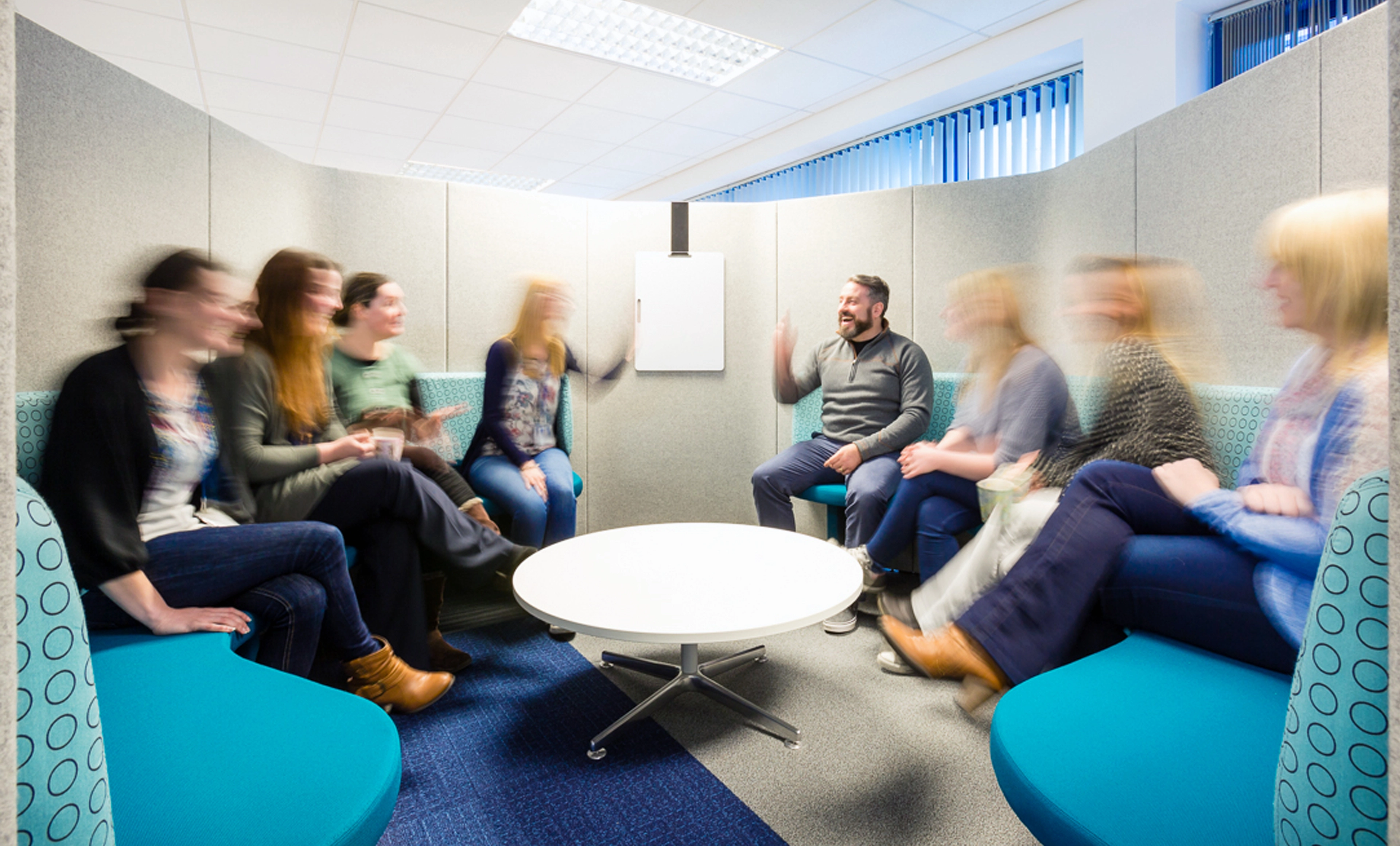
Start With How the Space Will Be Used
Before looking at products, take a step back.
Who will use the space? How often will it be used? Will teams grow or change over time?
A chair in a quiet office and a chair in a busy shared workspace will experience very different levels of wear. The same applies to desks, storage and meeting furniture.
Furniture that suits the actual use case will always outperform something chosen purely on appearance.
Look Beyond the Surface
Two pieces of furniture can look almost identical but perform very differently.
The key differences often sit beneath the surface:
-
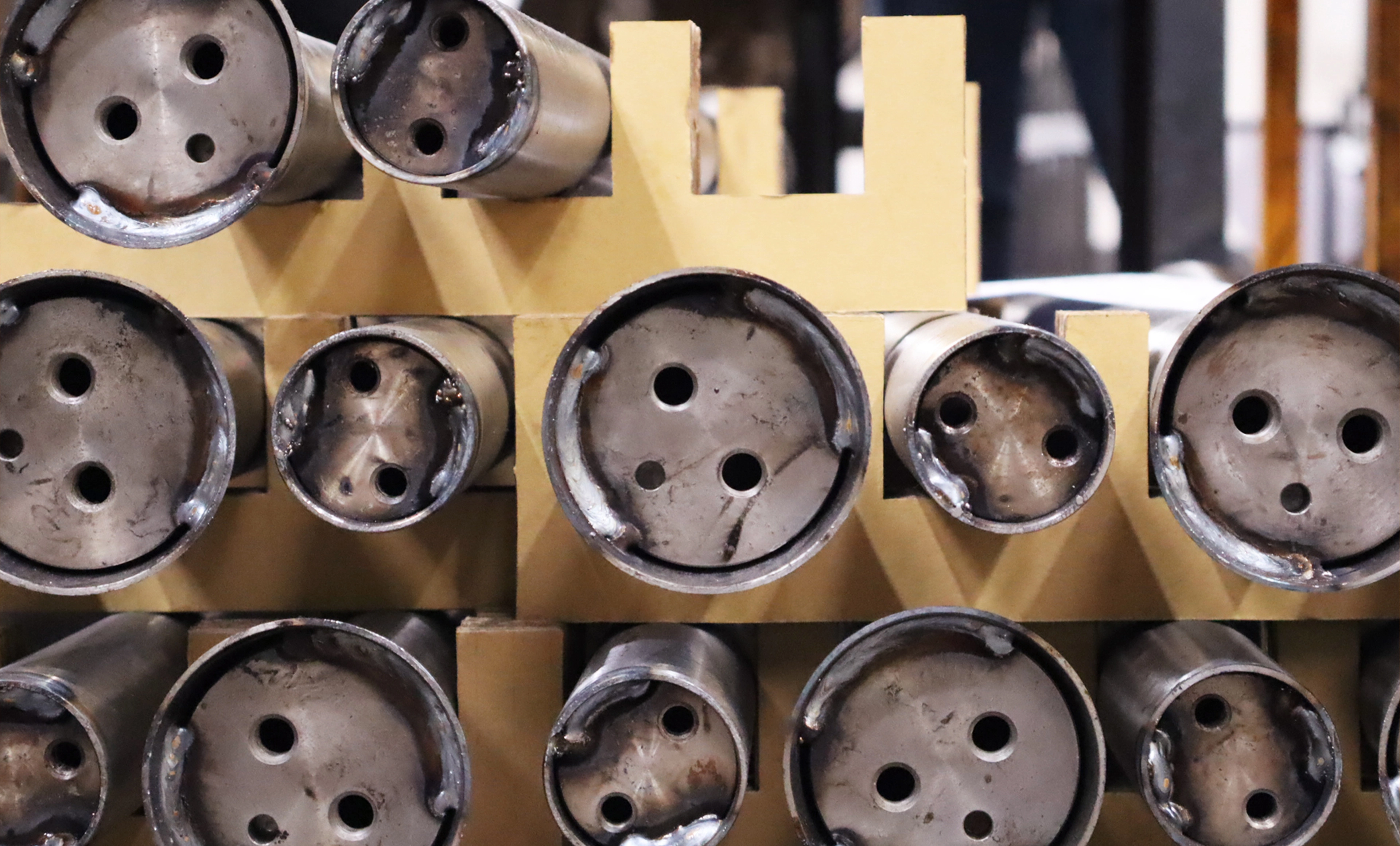
Frame construction
-
Fixings and joints
-
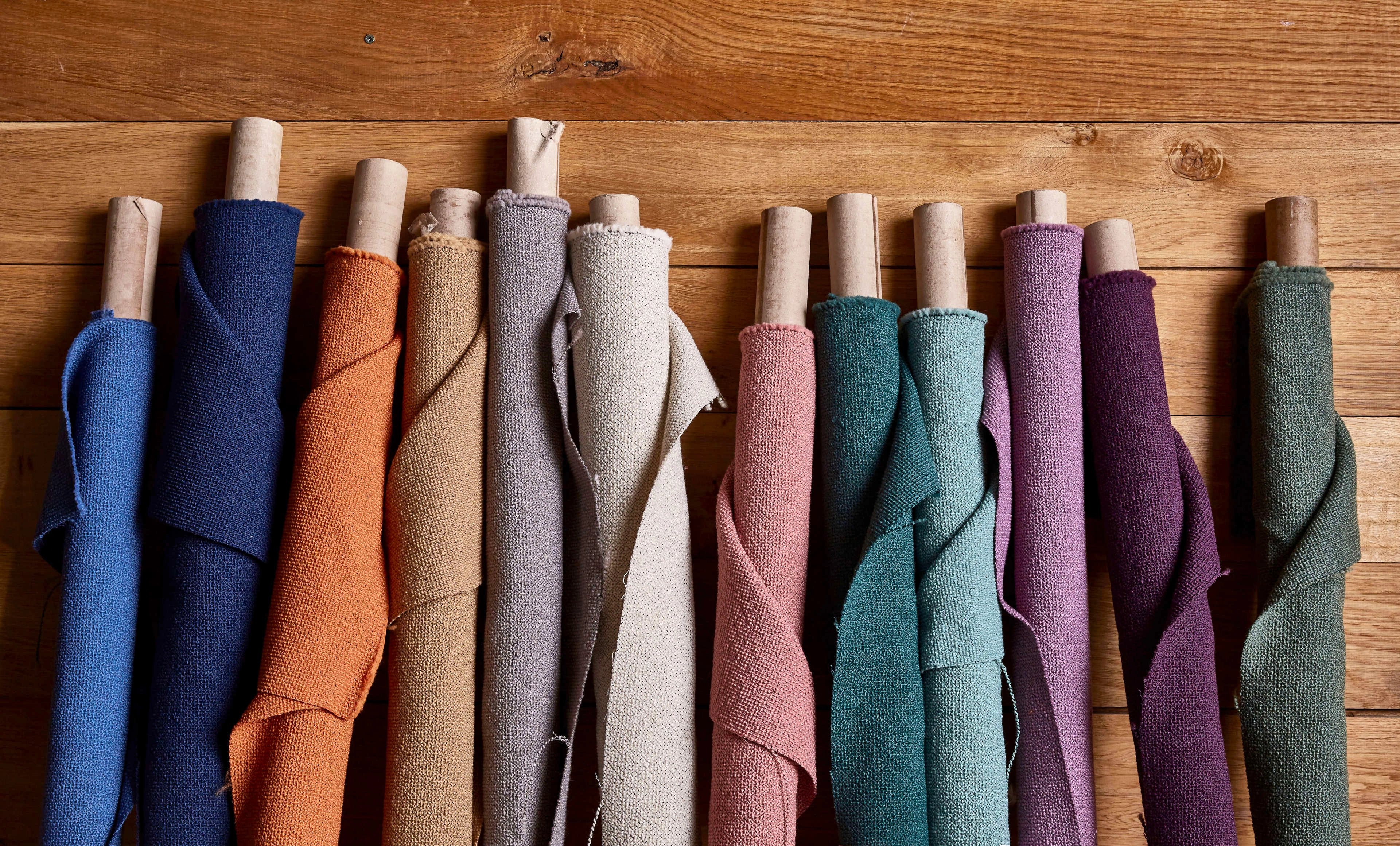
Fabric durability
-
Weight capacity
These are not always visible, but they determine how well a product holds up over time.
It is always worth asking us about testing standards and certifications. These provide a clearer indication of durability than appearance alone. Have you heard of the Martindale Rub Test?
Consider Ergonomics Properly
Comfort is not just about preference. It is about support.
Well-designed seating and desks allow users to adjust their position throughout the day. This helps reduce fatigue and supports better focus.
Poorly designed furniture can lead to discomfort, which in turn affects productivity and wellbeing.
Over time, this becomes a cost to the organisation.
Think in Terms of Lifecycle, Not Purchase Price
Lower upfront cost can be appealing, but it is rarely the full picture.
Furniture that needs to be replaced sooner, repaired frequently or causes disruption will often cost more in the long run.
Durable, well-specified furniture tends to:
-
Last longer
-
Require less maintenance
-
Perform more consistently
That makes it a more cost-effective investment over its lifetime.
Check Warranty and Aftercare
A strong warranty is usually a good indicator of confidence in a product.
It is also worth understanding what happens after installation:
-
Are parts replaceable?
-
Is servicing available?
-
Can items be reconfigured or repaired?
Furniture that can be maintained rather than replaced offers clear long-term value. Most of the ranges we offer will have a 5 year warranty for example. For well-known manufacturers like Hawk Furniture it's 10 years. The Senator Group also offer 10 years, along with certificates of continuity on many of their best-selling product lines.
Plan for Change
Workplaces rarely stay the same.
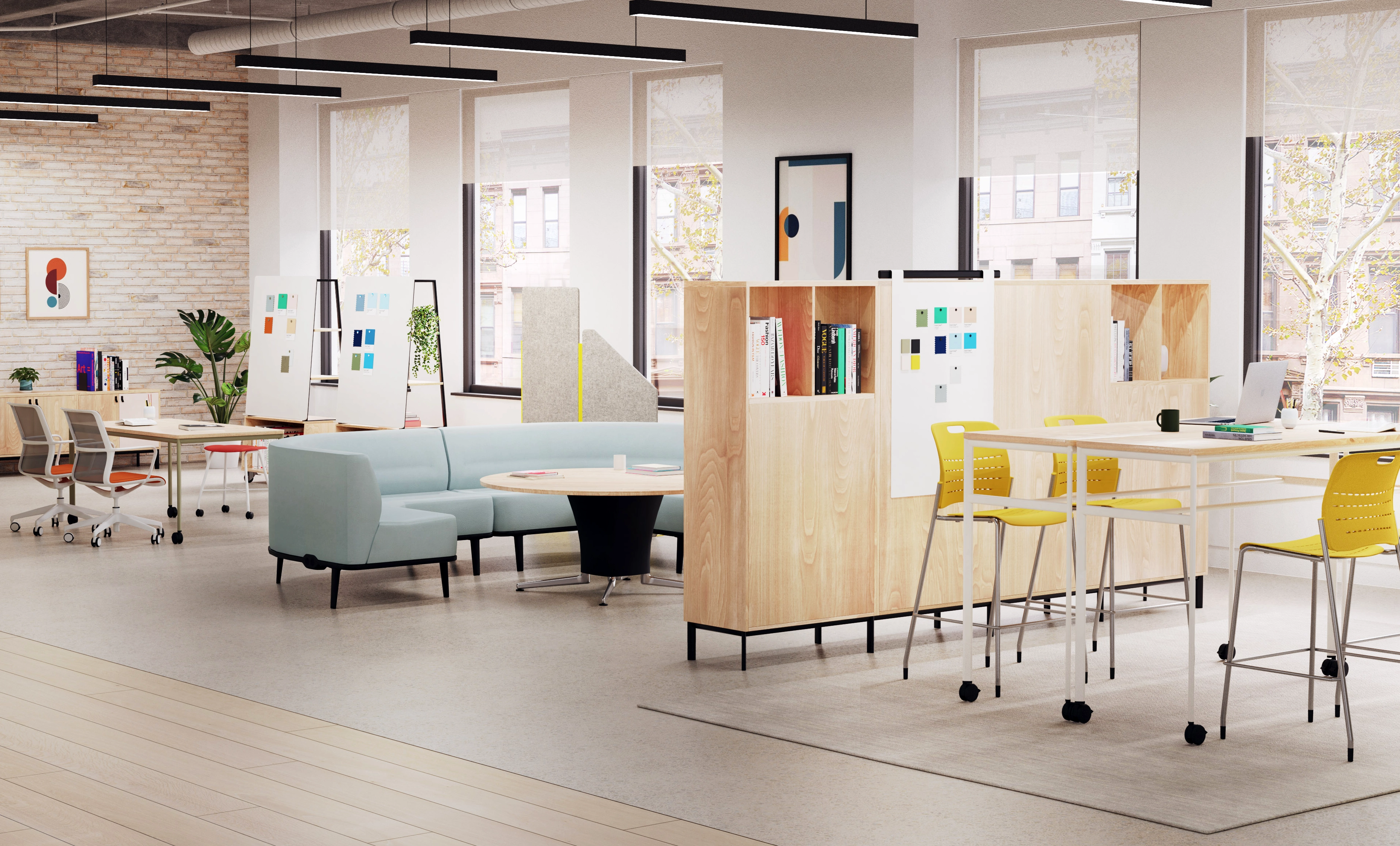
Teams grow, layouts evolve and working patterns shift. Furniture that can adapt to these changes will remain useful for longer.
Modular elements, adjustable features and reconfigurable layouts all help extend the lifespan of a fitout.
Choosing office furniture that lasts is not about finding the most expensive option. It is about making informed decisions based on how the space will be used over time.
When durability, comfort and adaptability are considered from the outset, the result is a workspace that continues to perform well long after installation.
Want to know more? Book a consultation. We can help you make sense of your requirements.
Choosing office furniture is not just about filling a space. It is a long-term decision that affects comfort, productivity and cost over time.
While appearance often drives early decisions, the real value of furniture is revealed in how it performs after months and years of daily use.
So what should you look for if you want furniture that genuinely lasts?
Start With How the Space Will Be Used
Before looking at products, take a step back.
Who will use the space? How often will it be used? Will teams grow or change over time?
A chair in a quiet office and a chair in a busy shared workspace will experience very different levels of wear. The same applies to desks, storage and meeting furniture.
Furniture that suits the actual use case will always outperform something chosen purely on appearance.
Look Beyond the Surface
Two pieces of furniture can look almost identical but perform very differently.
The key differences often sit beneath the surface:
-
Frame construction
-
Fixings and joints
-
Fabric durability
-
Weight capacity
These are not always visible, but they determine how well a product holds up over time.
It is always worth asking us about testing standards and certifications. These provide a clearer indication of durability than appearance alone. Have you heard of the Martindale Rub Test?
Consider Ergonomics Properly
Comfort is not just about preference. It is about support.
Well-designed seating and desks allow users to adjust their position throughout the day. This helps reduce fatigue and supports better focus.
Poorly designed furniture can lead to discomfort, which in turn affects productivity and wellbeing.
Over time, this becomes a cost to the organisation.
Think in Terms of Lifecycle, Not Purchase Price
Lower upfront cost can be appealing, but it is rarely the full picture.
Furniture that needs to be replaced sooner, repaired frequently or causes disruption will often cost more in the long run.
Durable, well-specified furniture tends to:
-
Last longer
-
Require less maintenance
-
Perform more consistently
That makes it a more cost-effective investment over its lifetime.
Check Warranty and Aftercare
A strong warranty is usually a good indicator of confidence in a product.
It is also worth understanding what happens after installation:
-
Are parts replaceable?
-
Is servicing available?
-
Can items be reconfigured or repaired?
Furniture that can be maintained rather than replaced offers clear long-term value. Most of the ranges we offer will have a 5 year warranty for example. For well-known manufacturers like Hawk Furniture it's 10 years. The Senator Group also offer 10 years, along with certificates of continuity on many of their best-selling product lines.
Plan for Change
Workplaces rarely stay the same.
Teams grow, layouts evolve and working patterns shift. Furniture that can adapt to these changes will remain useful for longer.
Modular elements, adjustable features and reconfigurable layouts all help extend the lifespan of a fitout.
Choosing office furniture that lasts is not about finding the most expensive option. It is about making informed decisions based on how the space will be used over time.
When durability, comfort and adaptability are considered from the outset, the result is a workspace that continues to perform well long after installation.
Want to know more? Book a consultation. We can help you make sense of your requirements.
