

In design conversations, “well-made” often gets reduced to looks or brand reputation, but recent thinking from the design world challenges that. A curated exhibition on what it means to be well-made pushed beyond surface aesthetics to ask deeper questions about the objects we choose and how they fit into our lives and work.
So what does “well-made” mean? And why should an organisation care?
Well-Made Means Asking the Right Questions.
Truly well-made products consider:
- Where they are made
- What materials are used
- Who makes them
- How they can be repaired, reused or recycled
- What their environmental and social impact is
This shifts “quality” from being purely about style or performance today to a philosophy that spans entire lifecycles — from production to long-term use to end-of-life responsibility.
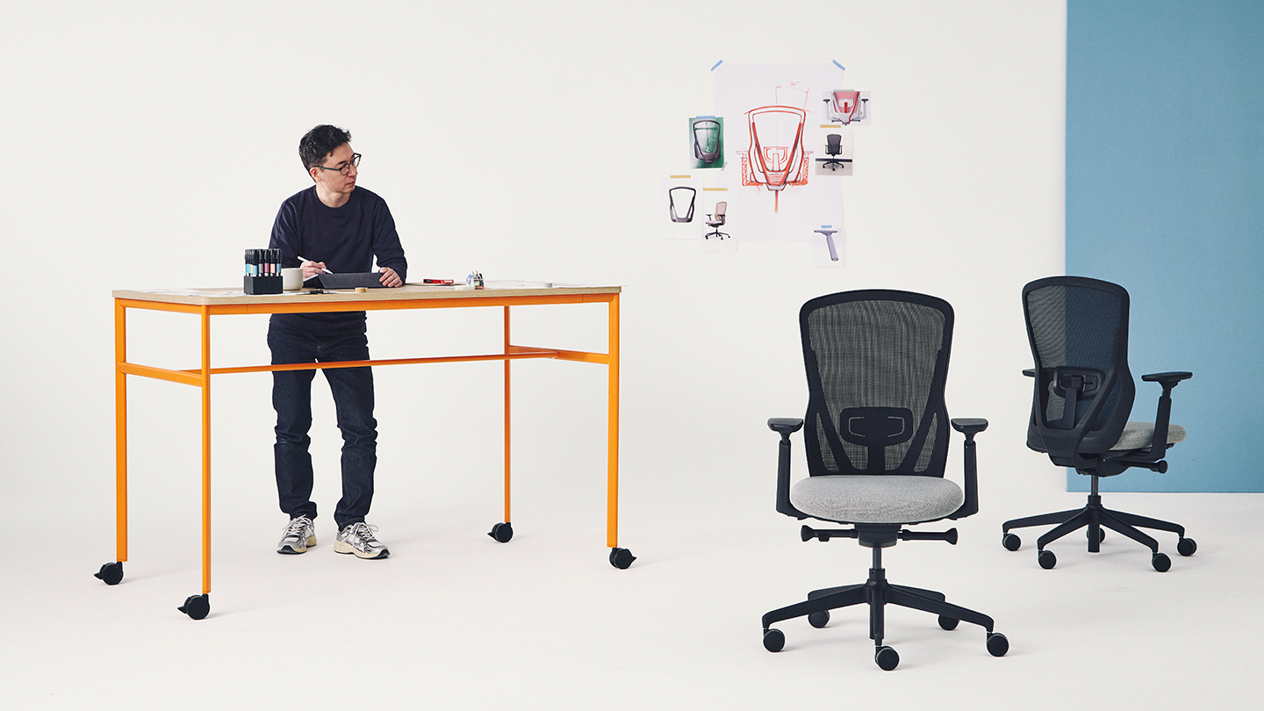
5 Things Well-Made Office Furniture Can Do for Your Organisation
1. Deliver Long-Term Value Well-made furniture isn’t designed to be replaced every few years. It performs consistently, resists wear and tear, and reduces the hidden costs of frequent replacement or repairs. It’s built to last.
2. Support Employee Wellbeing and Productivity Furniture that holds up, functions as intended and feels comfortable becomes invisible in daily use, that’s exactly where good design succeeds. People work better when they aren’t distracted by discomfort or disruption.
3. Reduce Organisational Risk Durable furniture lowers the risk of early failure, reduces maintenance burden and minimises disruption to teams. All of which contribute to a more resilient workplace.
4. Align with Sustainability Goals Furniture that’s designed with repairability and lifecycle impact in mind aligns with organisational commitments to sustainability, carbon reduction and responsible procurement.
5. Reflect Organisational Values How a workspace is furnished sends signals about priorities. Priorities like quality, investment in people, attention to detail and long-term thinking. It communicates intention.
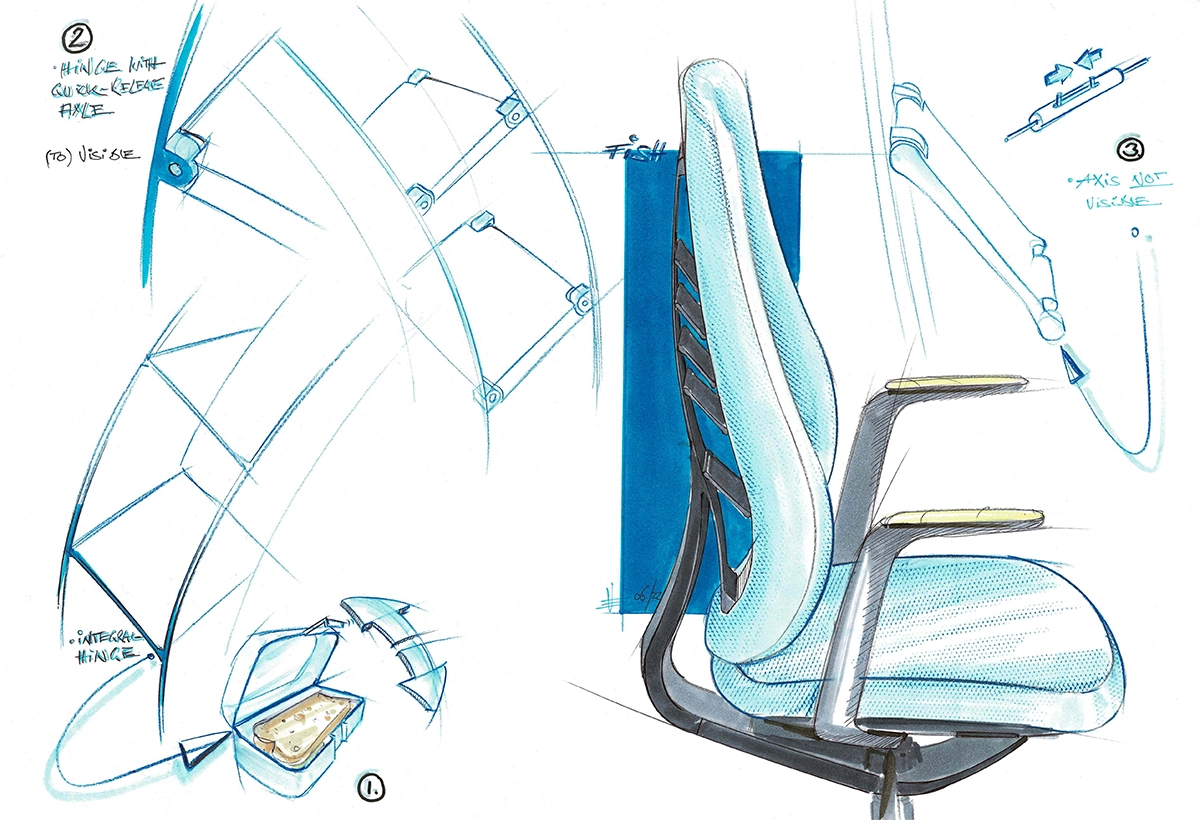
What Does “Well-Made” Mean to You?
We tend to define quality in very different ways depending on our role — whether that’s as an architect focused on specification longevity, a facilities manager thinking about total cost, or an HR lead prioritising comfort and engagement.
What does “well-made” mean to YOU, and how does it influence your workplace decisions?
In design conversations, “well-made” often gets reduced to looks or brand reputation, but recent thinking from the design world challenges that. A curated exhibition on what it means to be well-made pushed beyond surface aesthetics to ask deeper questions about the objects we choose and how they fit into our lives and work.
So what does “well-made” mean? And why should an organisation care?
Well-Made Means Asking the Right Questions.
Truly well-made products consider:
- Where they are made
- What materials are used
- Who makes them
- How they can be repaired, reused or recycled
- What their environmental and social impact is
This shifts “quality” from being purely about style or performance today to a philosophy that spans entire lifecycles — from production to long-term use to end-of-life responsibility.
5 Things Well-Made Office Furniture Can Do for Your Organisation
1. Deliver Long-Term Value Well-made furniture isn’t designed to be replaced every few years. It performs consistently, resists wear and tear, and reduces the hidden costs of frequent replacement or repairs. It’s built to last.
2. Support Employee Wellbeing and Productivity Furniture that holds up, functions as intended and feels comfortable becomes invisible in daily use, that’s exactly where good design succeeds. People work better when they aren’t distracted by discomfort or disruption.
3. Reduce Organisational Risk Durable furniture lowers the risk of early failure, reduces maintenance burden and minimises disruption to teams. All of which contribute to a more resilient workplace.
4. Align with Sustainability Goals Furniture that’s designed with repairability and lifecycle impact in mind aligns with organisational commitments to sustainability, carbon reduction and responsible procurement.
5. Reflect Organisational Values How a workspace is furnished sends signals about priorities. Priorities like quality, investment in people, attention to detail and long-term thinking. It communicates intention.
What Does “Well-Made” Mean to You?
We tend to define quality in very different ways depending on our role — whether that’s as an architect focused on specification longevity, a facilities manager thinking about total cost, or an HR lead prioritising comfort and engagement.
What does “well-made” mean to YOU, and how does it influence your workplace decisions?
